When it comes to choosing the right construction method for a project, post-frame buildings often find themselves overshadowed by traditional stick-built or steel-frame methods. This can largely be attributed to several common misconceptions about post-frame construction. While post-frame buildings have been around for decades and are widely used in agriculture, residential, and commercial sectors, there are still myths that create hesitation among potential clients. Let’s take a closer look at some of these misunderstandings and reveal the truth behind them.
Myth #1: Post-Frame Buildings Lack Durability
Reality: One of the most persistent myths about post-frame construction is that it’s less durable than traditional construction methods. This is simply not true. Post-frame buildings are designed to be incredibly sturdy, thanks to their heavy timber framing and deep-set posts that transfer loads directly into the ground. This construction method often results in a structure that can withstand extreme weather conditions, including heavy snow loads and high winds. Modern advancements in materials and engineering make post-frame buildings not only durable but also long-lasting.
Myth #2: Post-Frame Buildings Are Only for Agricultural Use
Reality: While post-frame construction has its roots in agricultural buildings, such as barns and storage facilities, the versatility of this method has made it a go-to option for many other types of structures. Post-frame buildings are increasingly being used for residential homes (like barndominiums), commercial facilities, and even retail spaces. The ability to customize these buildings means they can be designed to fit a wide range of aesthetic and functional needs. From modern homes with open floor plans to expansive commercial warehouses, post-frame buildings are far from being limited to farms.
Myth #3: Post-Frame Buildings Have Limited Design Options
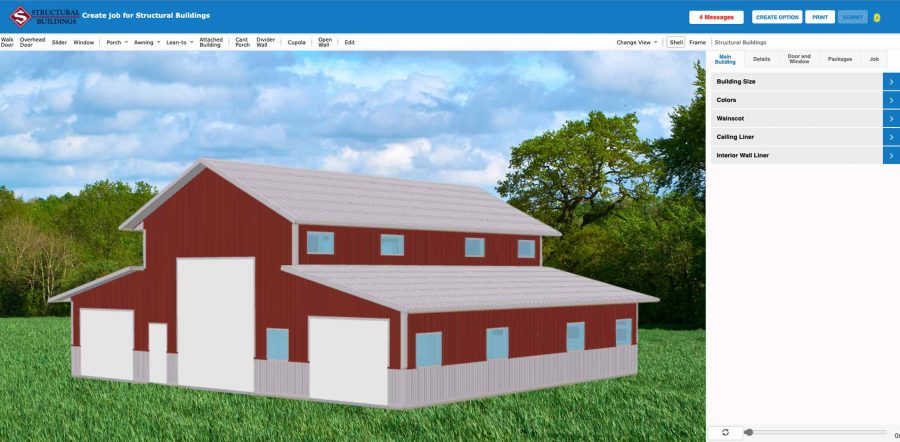
Reality: Another misconception is that post-frame buildings are boxy, unattractive, and offer little in terms of design flexibility. In reality, post-frame construction offers endless design possibilities. Thanks to the large, open-span interiors and fewer load-bearing walls, you have the freedom to design expansive floor plans without being limited by the need for internal supports. Whether you’re looking for a rustic barn aesthetic or a sleek, modern finish, post-frame buildings can be customized with various exterior finishes, roofing options, windows, doors, and interior layouts to suit your vision.
Myth #4: Post-Frame Construction Is Inferior to Steel-Frame Buildings
Reality: Both post-frame and steel-frame buildings have their benefits, but it’s incorrect to assume that one is inherently superior to the other. Post-frame buildings are often more cost-effective due to the materials and construction techniques used, and they offer a natural insulation advantage thanks to the wide wall cavities that can accommodate more insulation. In many cases, post-frame construction is quicker to build and can adapt to a wider variety of site conditions. Steel-frame buildings, on the other hand, might be better suited for very large-scale industrial projects. The key is choosing the right method for the project, and post-frame construction is an ideal solution for many applications.
Myth #5: Post-Frame Buildings Are Not Energy Efficient
Reality: On the contrary, post-frame construction can be extremely energy efficient. The wide spacing between posts creates room for thick insulation, and the large wall cavities can accommodate high-performance insulation materials. Additionally, the fewer thermal breaks in post-frame construction result in reduced heat transfer, making it easier to maintain a consistent indoor temperature. With the right design and materials, post-frame buildings can meet or exceed energy efficiency standards for both residential and commercial use.
Myth #6: Post-Frame Buildings Are Temporary Structures
Reality: Some people mistakenly believe that post-frame buildings are temporary or won’t last as long as traditional construction. In fact, with proper maintenance, a well-constructed post-frame building can last just as long, if not longer, than a conventional building. The deep-set posts provide excellent stability, and modern post-frame buildings are engineered to meet or exceed building codes for wind, snow, and seismic loads. These structures can easily serve as permanent homes, offices, or other long-term buildings.
Myth #7: Post-Frame Construction Takes Longer
Reality: Due to their efficient construction methods, post-frame buildings can actually be completed in less time than traditional buildings. The fewer components and simplified building process, including the use of larger materials like timber posts, mean that the framework can go up quickly. This results in a shorter construction timeline, which can be a significant advantage for those looking to move into their new space or start using their facility sooner.
The Reality of Post-Frame Construction
Post-frame buildings are a versatile, durable, and efficient option for a wide variety of construction projects. Whether you’re building a home, a commercial facility, or an agricultural structure, post-frame construction can offer you the strength and flexibility you need. The next time you hear someone questioning the viability of post-frame buildings, you can confidently debunk the myths and explain the real benefits they provide.
If you’re considering a post-frame building for your next project, contact us at Structural Buildings to explore how this method can be tailored to your specific needs!